

What Counts as Drug Manufacturing Under Florida Law?
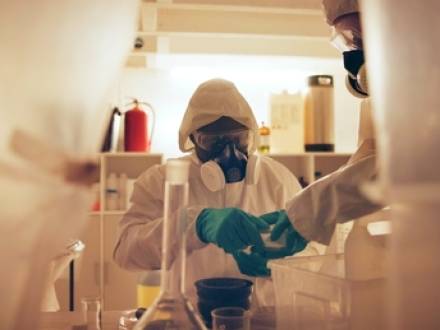 Drug manufacturing has a broad definition in Florida. Under Florida Statute § 893.13, it is illegal to manufacture a controlled substance or to possess one with the intent to manufacture it. You can face manufacturing charges even if you never finished making the drug and never sold anything. If you are facing a drug manufacturing charge in 2026, the Miami drug crimes defense lawyer at Stroleny Law: Criminal Defense Attorney can explain the charges against you and help you build a strong defense.
How Does Florida Define Manufacturing?
Florida's definition of manufacturing covers a lot of ground. Under § 893.02(15), manufacturing includes not just making a finished drug but any step in preparing or processing one. It also includes packaging the substance or labeling its container. The law does not require the process to be complete. Being caught in the middle of making a drug is enough.
What Are the Most Common Drug Manufacturing Charges in Florida?
Manufacturing charges in Florida typically involve the following substances and situations:
-
Methamphetamine labs, where chemicals are combined to produce meth
-
Indoor or outdoors cannabis grow operations
-
Fentanyl or other synthetic opioid production
-
MDMA or ecstasy manufacturing
-
Cocaine processing or preparation for distribution
-
Prescription pill pressing or counterfeiting operations
Each of these carries different penalties depending on the drug involved and the amount found. The type of drug and the quantity are two of the most important factors in how a manufacturing charge is prosecuted.
What Is the Difference Between Manufacturing and Trafficking Drugs in FL?
Manufacturing and drug trafficking are related but different offenses in Florida. Manufacturing means producing or preparing a controlled substance. Trafficking under § 893.135 applies when the amount of the substance involved meets certain weight thresholds, even if nothing was sold or distributed.
This difference matters. Trafficking charges carry mandatory minimum prison sentences that judges cannot reduce or waive. For example, if the amount of cocaine involved reaches 28 grams or more, a judge must impose a mandatory minimum prison sentence no matter what.
Manufacturing charges below the trafficking threshold are still serious felonies, but they do not carry the same hard minimums. In some cases, a person can face both manufacturing and trafficking charges at the same time.
Can You Be Charged for the Location Where Drugs Are Made?
Florida law also makes it a separate crime to own, rent, lease, or possess any place that is being used to manufacture controlled substances. Under § 893.1351, the charge and its severity depend on the person's role in connection with the property.
If you own, lease, or rent a location knowing it is being used for drug manufacturing, that is a third-degree felony. It carries up to five years in prison and fines up to $5,000. If you are in possession of a location used to manufacture drugs for distribution or sale, that is a second-degree felony. It carries up to 15 years in prison and fines up to $10,000. In some situations, property owners who knowingly allow drug manufacturing on their property may face criminal charges
What Defenses Are Available in a Drug Manufacturing Case?
Being charged with drug manufacturing does not mean you will be convicted. There are real defenses that can apply depending on the facts of your case.
Challenging the Search
One of the strongest defenses is challenging the search that produced the evidence. If police entered a home, car, or property without a valid warrant or a recognized legal exception, the evidence they found may be thrown out. Without that evidence, the state often has no case.
Challenging Intent
To convict you, the state must prove that you knew what was being made and that you were involved in making it. If you were at a location but had no idea what was going on there, or if the substance found is not actually a controlled substance, those facts can matter greatly.
Entrapment
Entrapment applies when law enforcement provides materials, encouragement, or pressure to someone who would not have manufactured drugs on their own.
Every case is different, but your attorney will ensure that your defense strategy is personalized based on the details of your case.
Schedule a Free Consultation With a Miami Drug Manufacturing Defense Attorney
Drug manufacturing charges in Florida can change your life, but a charge is not a conviction. With the right defense, evidence can be challenged, charges can sometimes be reduced, and in some cases, charges can be dismissed entirely.
Attorney Stroleny is a former Assistant State's Attorney in Miami-Dade County who knows how prosecutors build these cases and where they fall apart. He is local to Coconut Grove and has earned almost 400 five-star reviews from clients throughout the Miami area.
At Stroleny Law: Criminal Defense Attorney, we fight hard for every client we represent. Call 305-615-1285 today to schedule a free consultation with our Miami drug crimes defense lawyer. We are available 24/7.
Contact Us
Connect with Us and Take the First Step Toward Justice
To get the legal help you need in your criminal case, reach out to our firm today. We will provide you with a free consultation where our attorney will review your case and advise you of your legal options.
66 W Flagler St., Suite 1005
Miami, FL 33130
P 305-615-1285

Please fill out the form below or call 305-615-1285 to contact us.



From our Miami office, Stroleny Law: Criminal Defense Attorney serves clients across the city, including Allapattah, Brickell, Coconut Grove, Coral Way, the Design District, Downtown Miami, Edgewater, Liberty City, Little Haiti, Little Havana, Overtown, the Upper East Side (MiMo District), and Wynwood. Our reach also extends throughout Miami-Dade County, representing clients in Aventura, Coral Gables, Doral, El Portal, Florida City, Hialeah, Homestead, Key Biscayne, Miami Gardens, Miami Springs, North Miami, North Miami Beach, Opa-locka, Pinecrest, South Miami, Sunny Isles Beach, Sweetwater, and West Miami.
Results listed are not a guarantee or indication of future case results.
© 2026 Stroleny Law: Criminal Defense Attorney
66 W Flagler St., Suite 1005, Miami, FL 33130
305-615-1285